

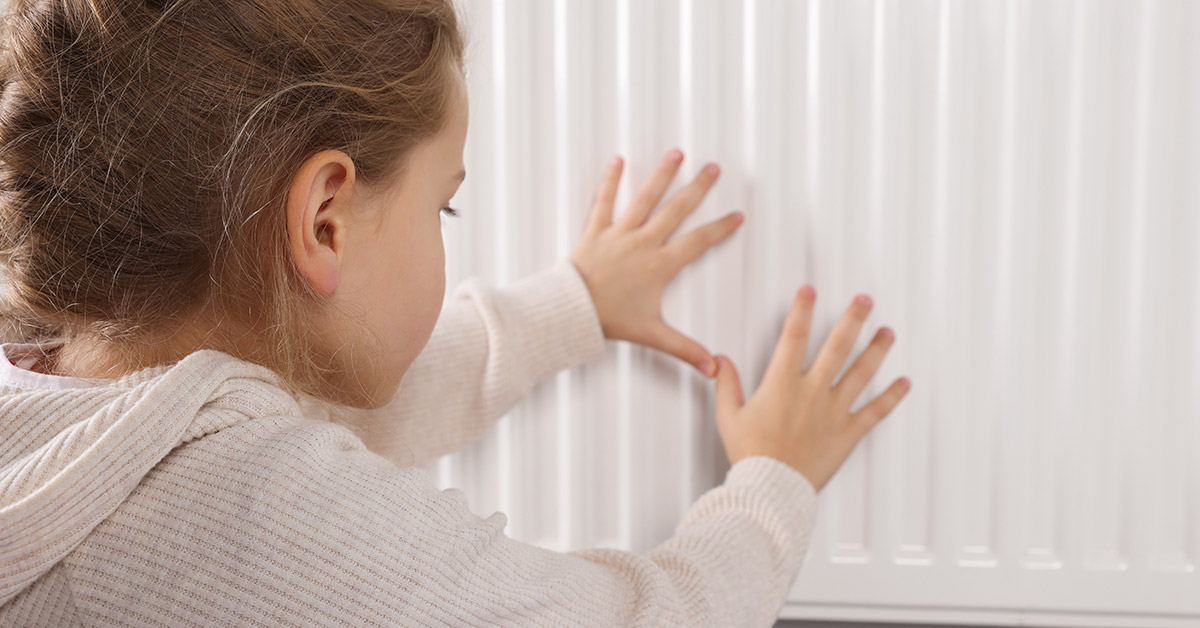
A portable space heater looks harmless on the floor of a bedroom or a living room. Most parents treat it the way they treat a fan or a humidifier. The reality inside a pediatric burn center is different. The exposed surface of an electric space heater can reach temperatures hot enough to cause a serious burn on a child’s skin in under a second. A curious toddler who touches the front grille, a preschooler who trips into a heater while running, or an infant who is placed too close on a chilly night can all end up in the emergency room after a moment that most parents never saw as risky. Families in Boston, throughout Massachusetts, and across the surrounding New England states should understand both the medical reality of space heater burns and the legal options available when a child is harmed, especially when a landlord, product manufacturer, or caregiver played a role.
This overview walks through why space heaters cause such severe injuries in young children, what current safety standards and recent recalls tell us, how burns and fires happen even in careful homes, and what families can do when a child is hurt. If your child has been hospitalized after a space heater burn or a related fire, a personal injury attorney can review the facts of your case and help you understand whether you may have grounds to seek compensation for medical bills, hospital costs, and related losses.
Why Space Heaters Cause Burns So Quickly in Children
A child’s skin is thinner than an adult’s, which means heat penetrates faster and damages deeper layers. Children also react more slowly to pain. A toddler who touches a hot surface may hold the contact point rather than pull away, which is exactly the opposite of what an adult would do. The result is that a brief contact with a hot metal grille or a heated glass panel can produce a full-thickness burn on a small child, the kind that often requires skin grafting.
Space heaters produce heat in ways that are more concentrated than central heating. Electric radiant heaters glow red because the internal element is running at a very high temperature. Ceramic and fan-forced heaters push hot air out of a housing that can climb well above 200 degrees Fahrenheit at the outlet. Oil-filled radiators feel gentler to an adult hand, but the fins can still reach temperatures capable of causing a serious burn on a child who leans against them for even a few seconds. None of these units were designed with the reaction time of a two-year-old in mind.
The Scope of the Problem in Numbers
National Fire Protection Association data offers a sobering picture. From 2019 to 2023, U.S. fire departments responded to an average of nearly 39,000 home heating equipment fires each year, resulting in more than 400 civilian deaths, over 1,300 injuries, and roughly 1.1 billion dollars in property damage annually. Space heaters and heating stoves alone were involved in almost a third of those fires. Nearly half of all home heating fires happen between December and February, which aligns with the coldest stretch of the New England winter.
The Consumer Product Safety Commission has flagged space heaters as one of the most persistent product hazards in American homes. Over recent years, the agency has published safety alerts warning that space heaters remain among the leading causes of home heating fires and burn injuries, with children under five bearing a disproportionate share of the pediatric burn cases. Pediatric burn centers consistently report a spike in contact burns and fire-related injuries in the weeks after the first cold snap, when families pull older heaters out of storage or buy new units from big-box stores and online marketplaces.
Recent Recalls Every Parent Should Know About
Space heater recalls have accelerated in recent years, and many of the products involved were sold widely on Amazon, big-box stores, and manufacturer websites. In 2025, GoveeLife and Govee recalled smart electric space heaters after reports of fire and burn hazards. Vornado recalled small room tower heaters after fan blades detached, causing overheating and melting of the enclosure. Merkury Innovations recalled combination heating and cooling fans after overheating incidents. Twin Star recalled thousands of Duraflame heaters after reports of units burning or melting. Home Depot recalled portable fan heaters after the plastic housing melted and caught fire.
These recalls matter for two reasons. First, a recalled heater that stays in a home continues to pose the same risk it was recalled for. Manufacturer notifications often fail to reach the original purchasers, especially when the unit was bought online or given as a gift. Second, when a defective or recalled space heater causes an injury, the manufacturer, importer, and retailer can be held responsible under product liability law. The CPSC maintains a searchable recall database at CPSC.gov, and any family using a portable heater should check it before the first cold weekend of the season.
How Space Heater Injuries Happen in Careful Homes
Several patterns show up repeatedly in pediatric burn reports and fire investigations. None of them require a careless parent. They usually involve a small mistake in a house that already had the heater set up in a way that felt reasonable.
Contact burns are the most common pediatric injury. A toddler crawls or walks into the exposed grille of a running heater, often within a foot or two of a couch, a bed, or a play area where the child was allowed to roam. The child’s hand, cheek, forearm, or bare foot touches the hot surface for a fraction of a second before pain registers. Modern heaters have safety cages and cool-touch housings, but older units, off-brand imports, and units that have been dropped or damaged often fail those protections.
Fires start when a heater is placed too close to bedding, curtains, upholstered furniture, laundry, or paperwork. The Consumer Product Safety Commission and the American Burn Association both recommend keeping at least three feet of clearance around every side of a running heater. In a small bedroom, that clearance is difficult to maintain, especially at night. A comforter that slides off a bed and lands on the front of a heater can ignite within minutes. Children who share bedrooms often push heaters closer to keep warm, unaware that the clearance rule exists.
Extension cord and power strip use is another major cause of fires. Space heaters draw a lot of current. Plugging one into an extension cord or a power strip can overheat the wiring inside the cord, melt the insulation, and start a fire. The CPSC and NFPA are unusually direct on this point. Portable heaters should be plugged directly into a wall outlet, and only one heat-producing appliance should be running on any given outlet at a time.
Carbon monoxide poisoning shows up in a different category of cases. Fuel-burning space heaters that run on kerosene, propane, or natural gas without proper venting can release carbon monoxide into a home. Children and infants show symptoms faster than adults because they breathe more air per pound of body weight. Unvented fuel-burning heaters should never be used inside a home, and every household with any fuel-burning appliance needs carbon monoxide detectors on every level and outside every sleeping area.
Buy heaters that carry a certification label from a nationally recognized testing laboratory such as Underwriters Laboratories.
Warning Signs and What to Do When a Child Is Burned
The depth of a burn is not always obvious in the first minutes, especially in young children. Any burn caused by contact with a space heater or by fire should be treated as a potential emergency. Signs that require an immediate trip to the emergency room include:
- Blistering, peeling skin, or skin that appears white, waxy, or leathery
- Burns that cover the hands, feet, face, genitals, or any major joint
- Burns that wrap around a limb or extend across a large area of the body
- Any burn larger than the size of the child’s palm
- Any burn on an infant under one year old
- Signs of smoke inhalation such as coughing, hoarse voice, or soot around the nose or mouth
- Headache, nausea, dizziness, or unusual sleepiness in a child in a home where a fuel-burning heater was running, which may indicate carbon monoxide exposure
While waiting for medical care, run cool water over a contact burn for several minutes. Do not apply ice, butter, ointments, or home remedies. Cover the area loosely with a clean cloth. If the injury involves fire or smoke, get the child into fresh air right away and call 911. Bring the space heater, the packaging, and any receipts or serial numbers to the hospital or preserve them at home, because that information often matters both medically and later if you decide to pursue a claim.
Practical Steps Families Can Take to Reduce the Risk
Buy heaters that carry a certification label from a nationally recognized testing laboratory such as Underwriters Laboratories. Modern units are required to include an automatic tip-over shutoff and, in most cases, an overheat shutoff. These features are not universal on cheaper imported models sold through third-party marketplace sellers. Check the CPSC recall database at CPSC.gov before using any heater that has been in storage for more than a season.
Plug the heater directly into a wall outlet. Do not use extension cords, power strips, or surge protectors. Keep at least three feet of clearance on every side, including above. Place the heater on a flat, hard, nonflammable surface, away from bedding, curtains, furniture, laundry, and any play area. Never use a portable heater in a bathroom or near a water source. Never leave a space heater running when you leave the room or go to sleep, and never place a heater close to a sleeping person or infant.
Have a direct conversation with landlords, grandparents, babysitters, and daycare providers about the heaters used in any home your child spends time in. Older rental units in Massachusetts and other New England states sometimes rely on portable heaters because the building’s central heating is inadequate. A landlord who provides or tolerates unsafe heating in a rental unit may bear legal responsibility if a child is injured, and Massachusetts has strict rules under the State Sanitary Code about the level of heat a landlord must provide during the heating season.
Legal Options When a Child Is Burned or a Fire Causes Injury
When a child is hospitalized after a space heater burn or a related fire, families often face significant medical costs, including emergency room treatment, possible skin grafting, intensive care, follow-up reconstructive surgery, scar management, physical therapy, and mental health support. Depending on the circumstances, compensation may be available through several legal paths.
Product liability is often the most direct path when a defective or recalled space heater caused the injury. Manufacturers, importers, and retailers can be held responsible for design defects, manufacturing defects, or inadequate warnings. Failure-to-warn claims come up frequently when a heater lacked proper labeling about clearance requirements, tip-over risks, or the danger of using an extension cord.
Landlord and property owner liability is another common path in rental cases. Massachusetts landlords are required to provide adequate heat under 105 CMR 410, the State Sanitary Code. A landlord who fails to maintain a central heating system and forces tenants to rely on portable heaters, or who provides a defective heater as part of a rental unit, may bear responsibility for injuries that result. Negligence claims may also apply against a daycare facility, after-school program, hotel, vacation rental host, or family member who placed a heater unsafely in a space used by children.
Each case turns on the specific facts, including the age of the child, the type of heater involved, whether it had been recalled, where it was purchased, whether it was plugged into an extension cord, and what warnings were present. Massachusetts and each of the surrounding New England states have their own statutes of limitations governing personal injury and product liability claims. Preserving the heater itself, its packaging, and any medical documentation is critical, because these items often become central evidence later in the case.
Talk to a Child Injury Lawyer About Your Family’s Case
Space heater injury cases can be technically complex. They often involve fire origin analysis, product testing, expert testimony about burn depth and treatment, pediatric medical records, and detailed review of manufacturer recalls and warnings. Most families are not in a position to investigate that on their own while also caring for an injured child.
At Swartz & Swartz, P.C., our Boston child injury lawyers can review your case, answer your questions, and offer aggressive representation should you decide to work with us. If your child was burned by a space heater or injured in a heater-related fire in Boston, Massachusetts, or the surrounding New England areas, learn more by contacting us online today or calling us at (617) 742-1900 to set up your free case review.
Need Help?
If you or someone you know, needs help from a lawyer, contact the law offices of Swartz & Swartz, use our live chat, or send us a message using the form below and we’ll get in touch to assess your case and how we can help.
About the Author: James Swartz

Keep Reading
Want more? Here are some other blog posts you might be interested in.


Boss harassment in Massachusetts can involve yelling, intimidation, insults, unfair treatment, or other troubling behavior, but not every instance of

After an accident, you may receive a call from an insurance adjuster asking you to explain what happened. The adjuster

Workplace harassment can be difficult to prove because much of it happens through conversations, private meetings, repeated comments, messages, or