


A concussion claim in Massachusetts may arise when someone suffers a head injury in a car accident caused by another driver’s negligence. Even a relatively minor collision can lead to headaches, dizziness, memory problems, and difficulty concentrating. Some symptoms appear immediately, while others become noticeable hours or days after the accident.
However, having a concussion does not automatically guarantee a successful personal injury claim. You generally need to establish that another party was legally responsible for the accident, that the accident caused your injury, and that you suffered compensable damages.
A concussion claim in Massachusetts can involve medical expenses, lost income, pain and suffering, and other losses, depending on the circumstances and applicable automobile insurance laws.
Understanding how these claims work can help you make informed decisions while focusing on your recovery.
Can a Car Accident Cause a Concussion Without Hitting Your Head?
Yes. A concussion can occur even when your head does not strike the steering


Boss harassment in Massachusetts can involve yelling, intimidation, insults, unfair treatment, or other troubling behavior, but not every instance of

After an accident, you may receive a call from an insurance adjuster asking you to explain what happened. The adjuster
Boss harassment in Massachusetts can involve yelling, intimidation, insults, unfair treatment, or other troubling behavior, but not every instance of
After an accident, you may receive a call from an insurance adjuster asking you to explain what happened. The adjuster

Workplace harassment can be difficult to prove because much of it happens through conversations, private meetings, repeated comments, messages, or

A ride with friends can feel routine to a teenager, but a car full of peers can change what happens

If an insurance company says you were partly responsible for an accident, comparative negligence in Massachusetts may affect how much

Dropping your child off at a friend's house for a birthday party or playdate is an ordinary part of childhood.

A serious accident can create medical bills almost immediately. You may leave the emergency room with bills for an ambulance, imaging,
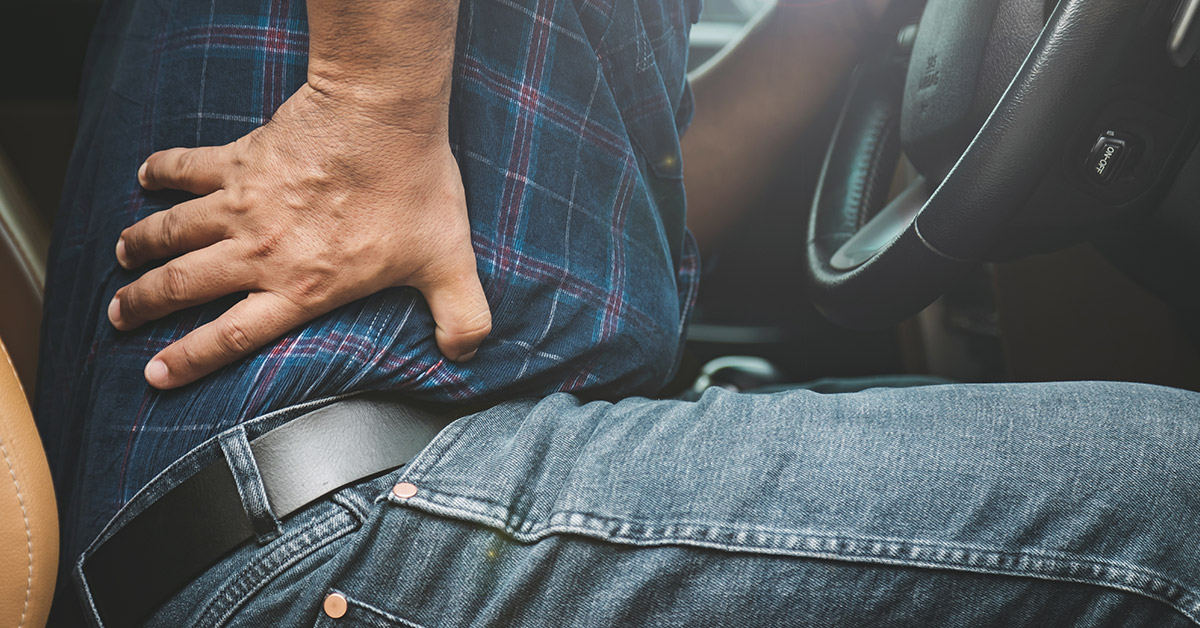
You already had back pain before the accident. Maybe you had undergone knee surgery years earlier. Perhaps you had a

A toy marked “3+” can look like a simple promise: this product is safe once a child reaches a third