
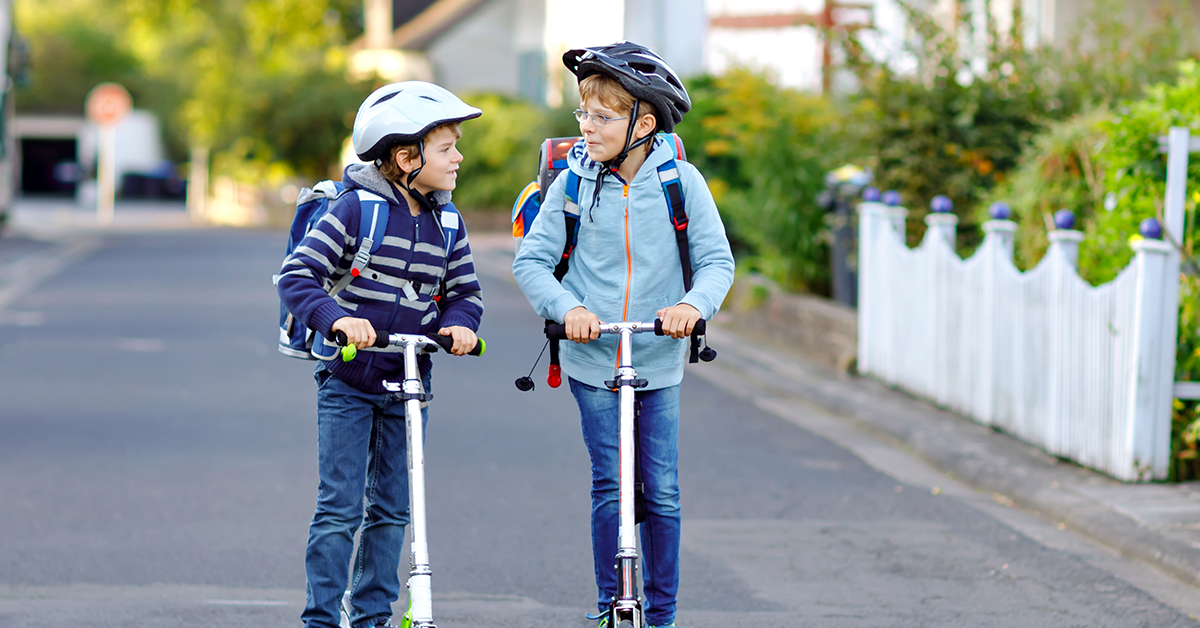
In many areas of Boston and the surrounding communities throughout Massachusetts and the New England states, allowing children to commute to school on a bicycle or scooter is a perfectly viable option. However, it’s important to remember that such transportation, unlike cars or school buses, does not offer protection during accidents. As such, you need to ensure your kids are taking the proper precautions if they commute to school this way.
Watch The Video
The following tips will help you keep your children safe during their commute. This guide also provides information about potential legal options if your child is injured in an accident, regardless of the safety steps they do or don’t take.
Ensure Proper Helmet and Safety Gear Usage
You likely already know that it’s vital that your children wear helmets and all other necessary protective gear when riding bicycles or scooters. Especially regarding scooters, consider added protection such as knee or elbow pads. Take the time to ensure a helmet fits properly – this is just as essential as making sure your children wear this type of gear in the first place, since improper fit reduces or even eliminates a helmet’s benefits.
When buying a helmet and any other types of safety equipment, strongly consider doing so from specialty retailers who can help you choose the best items for your child’s needs. A helmet should be snug enough that it provides sufficient protection in case a collision ever does happen. On the other hand, if it’s too tight, a child may feel tempted to loosen it while riding. This could increase their chances of being involved in an accident.
Don’t assume a quality helmet or other piece of safety gear will always serve its purpose. Periodically inspect your child’s safety equipment to ensure it’s still in good condition. If there are any signs of parts wearing down, either bring the helmet in for repairs or purchase a replacement.
Naturally, if you discover your child isn’t obeying the rules and is failing to wear safety equipment during their commute, you may have to determine whether allowing them to continue riding a bicycle or scooter to school is reasonable, however reinforcing safety rules early will help develop good habits, as well as a establishing a pattern of “normalcy”.
Test Out Scooters and Bikes in Safe Areas
It’s vital that a scooter or bicycle a child rides to school be in good working order. The chosen methos of transportation also needs to be the correct size for your child. Generally, they should feel comfortable maneuvering it in the various circumstances and situations they may find themselves in.
Take the time to thoroughly ensure your child is ready for a safe commute. Start by allowing them to test out a new bike or scooter in a very safe place, such as a relatively empty parking lot where you can monitor them. Once you’ve determined the vehicle is sufficient for their needs, you can escort them along various practice routes that they may take to school.
When doing so, research traffic patterns and collision statistics to ensure you’re choosing the best route for your child’s needs. You may also want to practice multiple routes in case your child ever needs to take alternative ways to or from school.
As with safety gear, bikes and scooters can break down over time. When purchasing a product, ask the experts to explain the basics of safety and maintenance and stay on top of their recommendations. Never let a child ride a bicycle or scooter that’s showing any signs of wear and tear or diminished function.
Drill into your child’s head the following: you cannot use your phone or electronic device when riding, no exceptions.
Teach Your Children the Relevant Laws and Rules of the Road
It’s best if anyone who commutes on a bicycle or scooter sticks to designated bike lanes whenever possible. Identifying these lanes should be part of the route selection process when teaching children how to safely ride to and from school.
You should also familiarize yourself and your children with any other rules and laws that may apply in your area. For example, although it’s ideal to limit children’s bicycle and scooter usage after dark, you should nevertheless ensure you know what types of features and equipment may be necessary if your child ever does find themselves riding at night. For example, they may need to wear reflective clothing, apply lights or reflective devices to their vehicle, etc.
Your children should also know how to properly signal their turns so that motorists and pedestrians know where they are going at all times. Naturally, children should also understand how to account for street signs and other such factors such as hazardous conditions when riding.
Don’t Let Children Use Electronic Devices
Drill into your child’s head the following: you cannot use your phone or electronic device when riding, no exceptions. If you must use your device, you must first pull over to a very safe area, ideally outside of any traffic lanes, before doing so.
You may even believe it’s necessary to monitor a child’s device usage during their commute if they’re young or simply to ensure they are following this important rule when riding.
While following the advice here can boost a child’s safety during a commute to school on a bicycle or scooter, it’s still possible they may be injured in an accident, potentially one resulting from another party’s negligence. If your child has been harmed in a collision, you may have grounds to file an insurance claim or lawsuit seeking compensation for their medical bills and related losses. At Swartz & Swartz, P.C., our Boston child injury lawyers will review your case, explain your options, and provide aggressive representation you and your child deserve if you decide to work with us. Learn more by contacting us online today or calling us at (617) 742-1900 to set up your free consultation.
Need Help?
If you or someone you know, needs help from a lawyer, contact the law offices of Swartz & Swartz, use our live chat, or send us a message using the form below and we’ll get in touch to assess your case and how we can help.
About the Author: James Swartz

Keep Reading
Want more? Here are some other blog posts you might be interested in.
Following these essential safety tips is key to ensuring students aren’t placed in harm’s way during field trips.
Children may be at risk of these injuries at daycare centers and after-school programs with negligent staff.

Food allergies are becoming increasingly common among children in the United States. According to research, approximately 8% of children in