
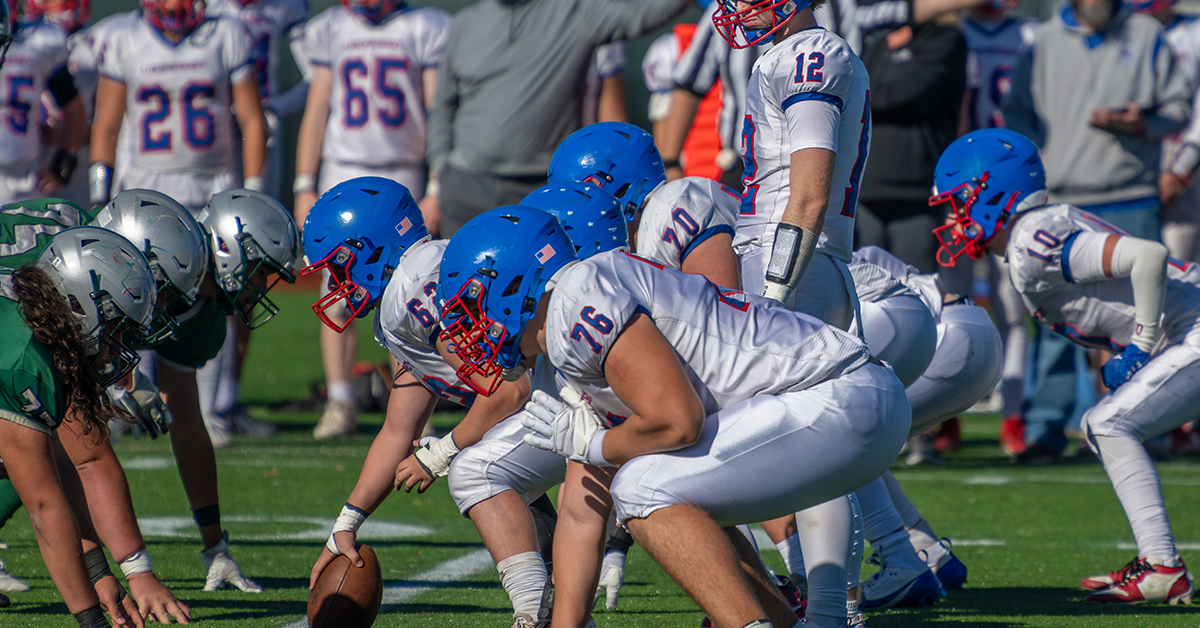
Youth sports offer children and adolescents the opportunity to socialize with their peers while participating in activities that generally promote fitness and health. However, as the busy youth sports season approaches for many parents and their children in Massachusetts and the surrounding New England states, it’s important for parents and caregivers to be aware of some of the potential risks associated with such activities. For example, many sports that children and teens may participate in could result in injuries like concussions.
Watch The Video
If you have a child who plays sports of any kind, it’s important to understand such risk factors and to be familiar with your potential legal options should your child sustain a concussion due to the negligence of another party, a product defect, or other such factors.
Sports Associated with Concussion Risk in Children and Adolescents
A concussion is a result of a blow to the head. As such, virtually any sport or athletic activity could theoretically result in a concussion because any physical activity involves the risk of falling and striking one’s head, regardless of the sport’s general intensity level.
That said, there are some sports that carry a higher degree of risk than others. Examples include:
- football
- hockey
- rugby
- soccer
- wrestling
- cheerleading
- lacrosse
None of this is meant to suggest that you should discourage your children from participating in sports they have an affinity for. Regardless, it’s critical to observe all safety rules and to ensure your children are using proper safety gear whenever playing or practicing.
Even if your child is merely participating in an informal get-together with friends, if sports are involved, safety gear and basic safety steps are a must.
Signs of a Concussion in a Child or an Adolescent
The signs and symptoms of a concussion are very wide-ranging. The following are just a few examples of warning signs that may indicate a child has sustained a concussion while playing sports:
- Seeming dazed
- Struggling to thoroughly follow game instructions or follow what is happening in a given game or match
- Moving awkwardly
- Responding to questions or other verbal prompts slowly
- Complaining of headaches
- Vomiting or experiencing nausea
- Demonstrating balance problems
Again, that’s by no means an exhaustive list.
Naturally, you must ensure your child receives proper medical care if they exhibit any of the signs of a concussion. However, it’s also critical to understand that not all signs of a concussion are immediately noticeable.
If your child has been injured or involved in any sort of incident that could theoretically result in injury when playing child sports, such as being struck in the head, make sure they see a doctor right away, even if they say they’re fine. It’s possible that symptoms will manifest hours or even days later.
Seeing a doctor right away ensures your child receives any medical care they need as soon as possible, which will usually improve treatment outcomes. It also demonstrates a link between the incident and your child’s injury, which may be helpful should you pursue compensation later.
Even if your child is merely participating in an informal get-together with friends, if sports are involved, safety gear and basic safety steps are a must.
Potential Compensation Available if a Child Sustains a Concussion Playing Youth Sports
If your child has sustained a concussion while playing a sport, depending on the nature of the incident that caused their injury, compensation may be available. By filing an insurance claim or lawsuit, you could theoretically pursue compensation for a child’s medical bills and related losses resulting from their injury.
Whether compensation is available depends on several factors. For instance, you may have grounds to file a claim or lawsuit if you can show that your child was injured because another party was negligent. This might occur if a child was injured because those responsible for supervising them while they were participating in a potentially dangerous sport or athletic activity failed to do so properly.
Or, maybe your child was injured because a defective piece of safety equipment failed. In these circumstances, you wouldn’t even need to prove negligence to seek compensation. In a product liability case such as this, you only need to show that the defect caused your child’s injury (or allowed it to happen).
Those are just two examples. It’s important to understand that determining whether you have a case, and gathering the evidence necessary to show your child deserves compensation, can require conducting a thorough investigation. Upon filing a claim or lawsuit, you may also have to negotiate for a fair payout.
These aren’t tasks you need to handle yourself. At Swartz & Swartz, PC, our Boston child injury attorneys can review your case, answer your questions, and offer aggressive representation should you decide to work with us. Learn more by contacting us online today or calling us at (617) 742-1900 for a free consultation.
Need Help?
If you or someone you know, needs help from a lawyer, contact the law offices of Swartz & Swartz, use our live chat, or send us a message using the form below and we’ll get in touch to assess your case and how we can help.
About the Author: James Swartz

Keep Reading
Want more? Here are some other blog posts you might be interested in.
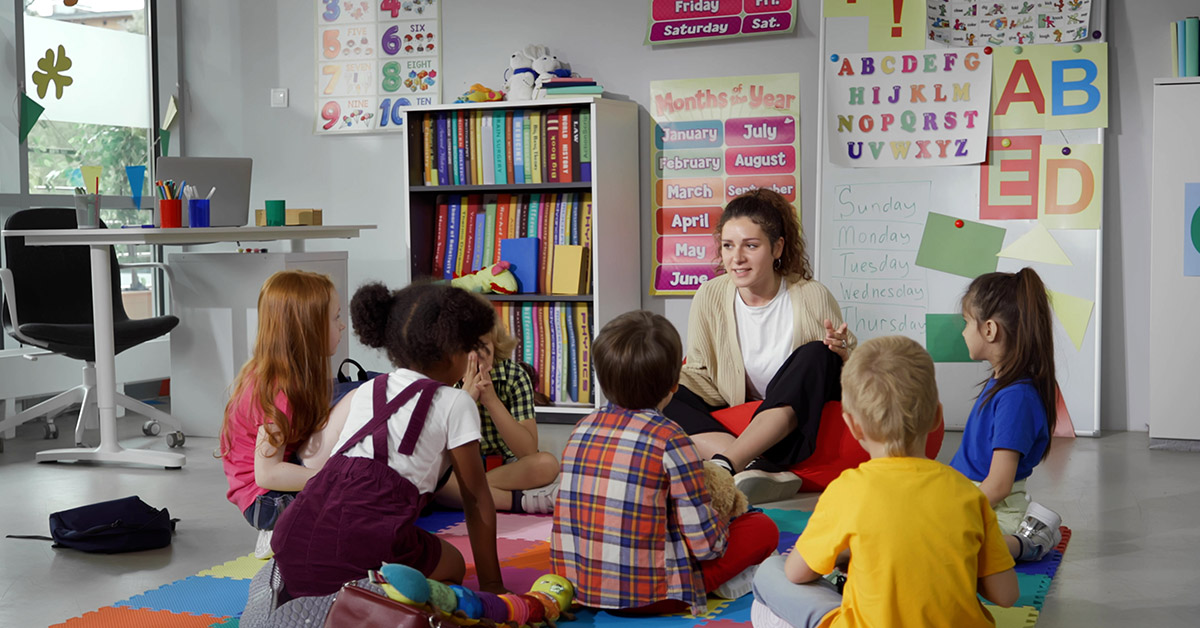
Children may be at risk of these injuries at daycare centers and after-school programs with negligent staff.

Food allergies are becoming increasingly common among children in the United States. According to research, approximately 8% of children in
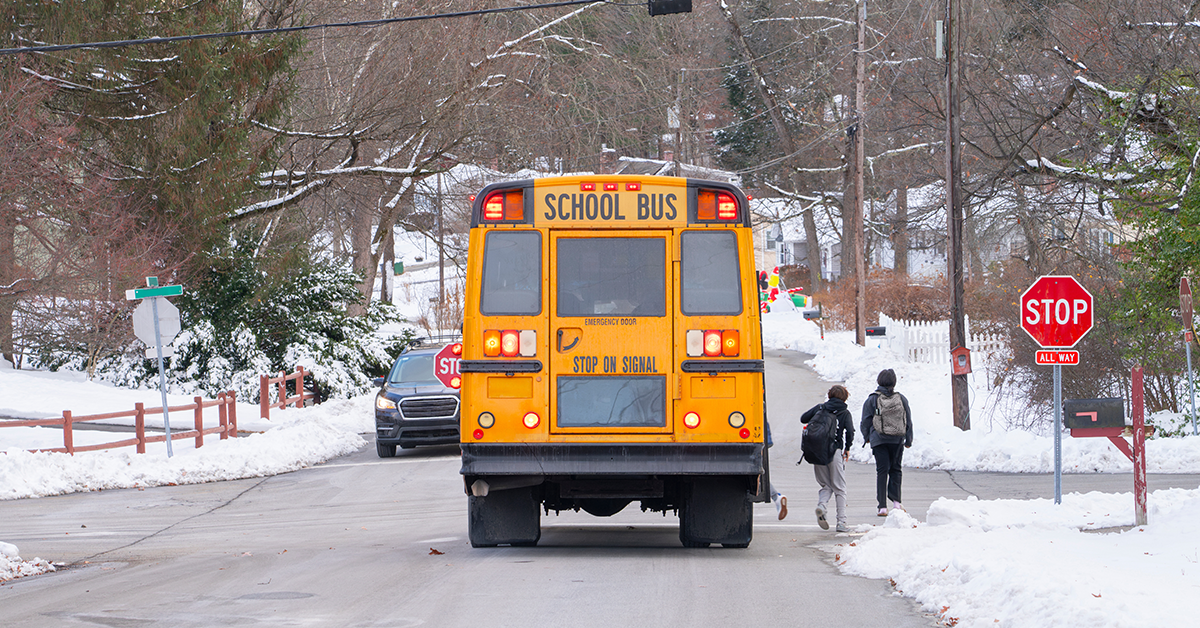
These tips will help keep kids safe while waiting for the school bus.