

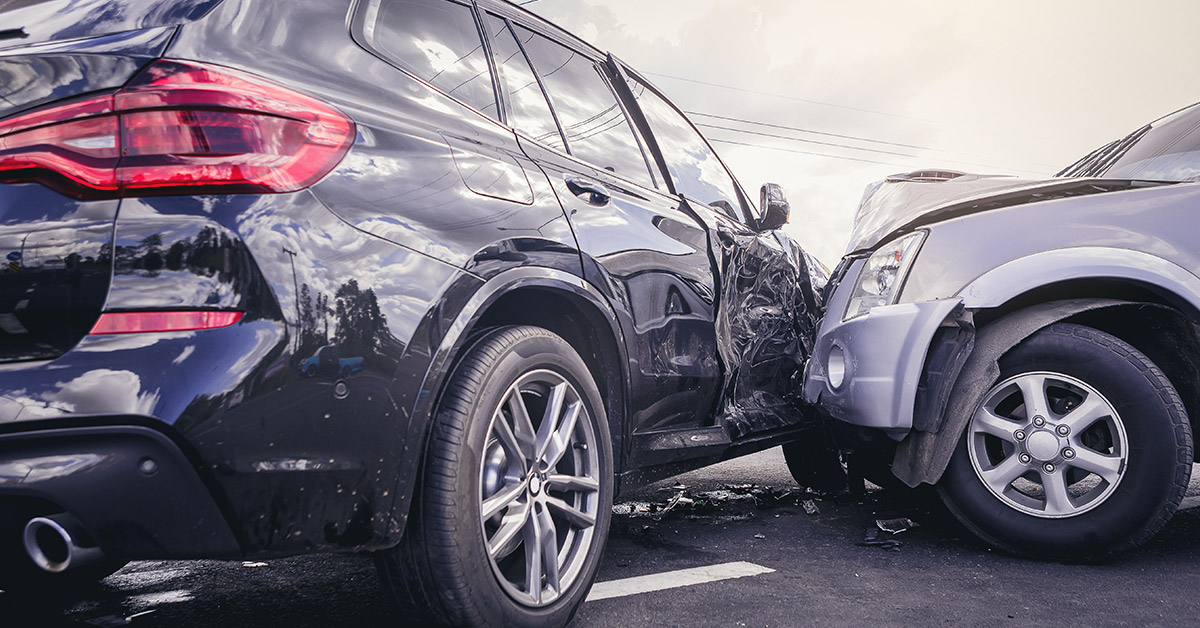
A left-turn accident in Massachusetts can raise an immediate question: Who was at fault? In many cases, the driver making the left turn must yield to vehicles approaching from the opposite direction. Massachusetts law requires a driver turning left across the path of oncoming vehicles to yield until the turn can be made with reasonable safety.
However, that does not mean the left-turning driver is automatically responsible for every accident. Speeding, traffic signals, distracted driving, visibility, and the actions of both drivers can affect how fault is determined.
If you were injured in a left-turn collision, understanding Massachusetts right-of-way rules and preserving evidence from the crash can be important when determining what happened and who may be legally responsible.
Who Usually Has the Right of Way During a Left Turn?
Massachusetts General Laws Chapter 89, Section 8 addresses right-of-way at intersections.
Under the law, a driver intending to turn left across the path of vehicles coming from the opposite direction must yield until the left turn can be made with reasonable safety.
In a typical situation, imagine Driver A is traveling straight through an intersection while Driver B is approaching from the opposite direction and wants to turn left.
Driver B generally must wait until the turn can be completed safely.
If Driver B turns directly into Driver A’s path and a collision occurs, Driver B’s failure to yield may become important evidence when determining fault.
For a broader explanation of intersection rules, see Swartz & Swartz’s guide to Massachusetts right-of-way laws. The firm’s existing guide also discusses left turns and the general obligation to yield to oncoming traffic.
Is the Left-Turning Driver Always at Fault?
No.
This distinction is important.
The fact that one driver was making a left turn does not automatically prove that driver caused the accident.
Consider a situation where the left-turning driver begins turning when the intersection appears clear. An approaching vehicle could be traveling well above the speed limit, making it difficult for the turning driver to accurately judge how quickly it will reach the intersection.
Or an approaching driver might run a red light while another driver is completing a permitted left turn.
Other circumstances could involve a driver:
- driving while distracted;
- failing to obey a traffic signal;
- driving too fast for the conditions;
- making an unsafe lane change; or
- otherwise acting negligently.
That’s why determining fault requires looking at what both drivers were doing immediately before the collision.
How Is Fault Determined After a Left-Turn Accident in Massachusetts?
Evidence matters more than assumptions.
Insurance companies, attorneys, and potentially a court may consider several forms of evidence when determining how a left-turn crash occurred.
That could include the police crash report, photographs, video footage, witness statements, vehicle damage, traffic-signal information, and physical evidence from the scene.
In more complicated or serious crashes, accident reconstruction may also be relevant. Swartz & Swartz notes that reconstruction and expert witnesses may be necessary in some automobile accident cases.
Traffic Camera and Dashcam Footage
Video can be especially useful in an intersection collision.
It may show:
- which vehicle entered the intersection first;
- whether a traffic light had changed;
- how quickly the vehicles appeared to be traveling;
- where the impact occurred; and
- whether either driver had an opportunity to avoid the collision.
Dashcam footage from either vehicle can also provide valuable evidence.
Because some video recordings may not be kept indefinitely, identifying possible footage soon after an accident can matter.
What if the Other Driver Was Speeding?
Speed can complicate a left-turn accident.
A driver turning left generally has a duty to yield when required, but an approaching driver’s conduct still matters.
For example, imagine an oncoming vehicle is far enough away that a reasonable driver believes there is sufficient time to complete the turn.
If that vehicle is traveling much faster than expected, it could reach the intersection sooner than anticipated.
The question then becomes more complicated than simply asking:
“Who was turning left?”
Investigators may need to consider the speed of the approaching vehicle, distance between the vehicles, visibility, traffic conditions, timing of the turn, and other evidence.
Witnesses, surveillance cameras, dashcams, and intersection cameras may help establish which driver had the signal.
What if the Other Driver Ran a Red Light?
Traffic signals can change the fault analysis substantially.
Suppose you receive a green arrow permitting a left turn. Another driver enters the intersection against a red light and strikes your vehicle.
The fact that you were turning left does not automatically make you responsible.
Massachusetts’ general left-turn yielding rule does not override lawful directions from traffic signals or police officers.
Evidence showing the signal sequence could therefore become central to the case.
Witnesses, surveillance cameras, dashcams, and intersection cameras may help establish which driver had the signal.
What if Both Drivers Share Fault?
Some accidents are not entirely one person’s fault.
Massachusetts follows a modified comparative negligence rule.
Under Massachusetts General Laws Chapter 231, Section 85, contributory negligence does not bar recovery when the injured person’s negligence is not greater than the total negligence of the person or persons against whom recovery is sought. Any damages awarded are reduced in proportion to the injured person’s share of negligence.
In simpler terms, someone who is partly responsible may still be able to recover damages in certain circumstances, but their recovery can be reduced based on their percentage of fault.
This makes accurate fault determination especially important.
What Types of Injuries Can Left-Turn Accidents Cause?
Left-turn crashes can cause serious injuries because they often involve one vehicle striking the side of another.
Depending on the direction and force of impact, occupants may suffer:
- head and brain injuries;
- neck and back injuries;
- broken bones;
- shoulder and knee injuries;
- cuts or facial injuries; or
- other serious trauma.
Symptoms also aren’t always obvious immediately after a crash.
For example, Swartz has previously discussed brain fog after a car crash, which can include problems with concentration, memory, or mental clarity.
If you experience new or worsening symptoms after an accident, seek appropriate medical attention rather than trying to diagnose the problem yourself.
What Should You Do After a Left-Turn Accident?
Safety and medical needs come first.
If you are able to do so safely, gather information about the accident.
Photographs can be particularly helpful. Try to document the vehicles, damage, intersection, traffic lights or signs, skid marks, road conditions, and surrounding area.
Get contact information from witnesses when possible.
You should also exchange the necessary information with the other driver and preserve records related to medical care and expenses.
Be careful about making statements such as:
“I’m sorry, it was my fault.”
You may not yet know everything that contributed to the crash.
Likewise, avoid speculating about injuries or saying you are completely fine when symptoms could develop later.
What if the Insurance Company Says You Caused the Accident?
An insurance company’s initial position isn’t necessarily the final word on liability.
An insurer may rely on statements from the drivers, the police report, vehicle damage, photographs, or other evidence.
If you believe important evidence has been overlooked, the circumstances may deserve further review.
This becomes particularly important when the accident caused substantial injuries, lost income, or other significant losses.
Swartz’s guide to Massachusetts car accident laws provides additional information about fault, insurance, reporting requirements, and legal claims following Massachusetts collisions.
When Should You Speak With a Car Accident Lawyer?
Not every minor collision requires litigation.
However, it may make sense to speak with an attorney when there are serious injuries, disputed fault, conflicting accounts of the crash, significant medical expenses, lost income, or disagreement with an insurance company.
An attorney can review the evidence and help determine which facts may matter when evaluating liability.
For cases involving serious injuries, Swartz & Swartz’s Boston car accident lawyers handle claims involving automobile accidents and negligence. The firm states that accident reconstruction and expert witnesses may be used when necessary to investigate how a collision occurred.
Massachusetts Law on Left Turns
For readers who want to review the law directly, the Massachusetts Legislature’s Chapter 89, Section 8 is the authoritative outbound resource I recommend linking to.
It specifically addresses right-of-way at intersections and drivers turning left across oncoming traffic.
Frequently Asked Questions
Who is usually at fault in a left-turn accident in Massachusetts?
The driver turning left may be at fault if they failed to yield to oncoming traffic when required. Massachusetts law requires a driver turning left across approaching traffic to yield until the turn can be completed with reasonable safety. However, the circumstances and conduct of both drivers must be considered.
Is the driver making a left turn automatically at fault?
No. Evidence could show that the other driver ran a red light, was speeding, or otherwise contributed to the collision.
What if I had a green arrow when turning left?
A traffic signal can affect who has the right of way. Massachusetts’ general intersection rule recognizes lawful traffic signals and devices, so evidence establishing which signal each driver had may be important.
Can both drivers be responsible for the same accident?
Yes. Depending on the facts, responsibility can potentially be divided between the drivers. Massachusetts’ comparative negligence rules can affect whether an injured person can recover and the amount recovered.
What evidence can help prove fault?
Police reports, photographs, witness statements, dashcam footage, surveillance video, vehicle damage, traffic-signal evidence, and accident reconstruction may help establish how the crash occurred.
Should I talk to the other driver’s insurance company?
Be careful when discussing fault, injuries, or settlement with an insurer. If you suffered significant injuries or liability is disputed, consider getting legal advice before making detailed statements or accepting a settlement.
Injured in a Left-Turn Accident in Massachusetts?
Determining fault after a left-turn accident in Massachusetts isn’t always as simple as identifying which driver was turning.
Massachusetts law generally requires a left-turning driver to yield to approaching traffic until the turn can be completed with reasonable safety. But speeding, traffic signals, distracted driving, visibility, and the conduct of the other driver can all affect the analysis.
The stronger approach is to examine the evidence rather than assume fault based solely on the type of collision.
If you or a family member suffered serious injuries in a left-turn collision, Swartz & Swartz, P.C. can review the circumstances and explain your legal options. The firm handles car accident and personal injury matters from its Boston office.
Need Help?
If you or someone you know, needs help from a lawyer, contact the law offices of Swartz & Swartz, use our live chat, or send us a message using the form below and we’ll get in touch to assess your case and how we can help.
About the Author: James Swartz

Keep Reading
Want more? Here are some other blog posts you might be interested in.


A child left unattended at daycare in Massachusetts can face serious dangers in a matter of seconds. Parents trust childcare
A sidewalk injury in Massachusetts can happen in an instant. You may be walking to work, leaving a restaurant, visiting

Inadequate security at an apartment building in Massachusetts can have devastating consequences when a preventable safety failure contributes to a