

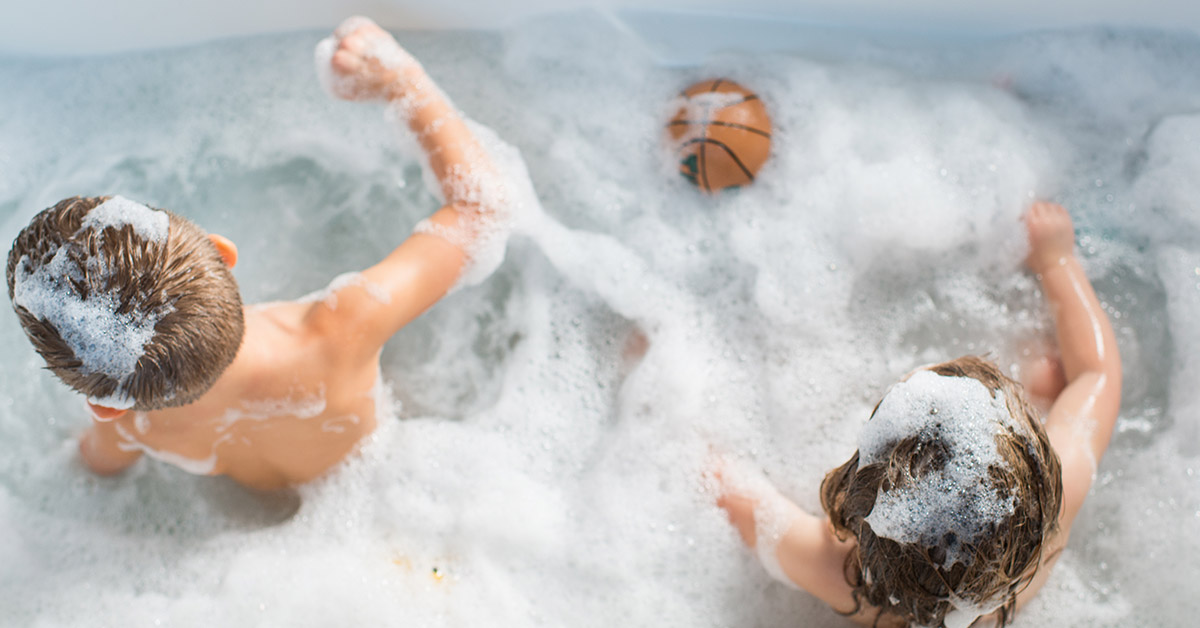
Bath time is one of the quietest, most routine parts of a family’s day. It is also one of the most common settings for a serious pediatric scald burn. Pediatric burn centers consistently identify the bathroom, and specifically the bathtub, as one of the leading locations where young children are injured by hot water. Parents and caregivers in Boston, throughout Massachusetts, and across the surrounding New England states should understand both the medical reality of bath-time scalds and the legal options available when a child is harmed, especially when a landlord, plumber, contractor, or product manufacturer played a role.
This overview explains why hot tap water causes such severe injuries in young children, what current safety standards and Massachusetts plumbing rules require, how scalds happen even in households that appear to be cautious, and what families can do when a child is burned. If your child has been hospitalized after a hot water injury, a personal injury attorney can review the facts of your case and help you understand whether you may have grounds to seek compensation for medical bills, hospital costs, and related losses.
Why a Few Degrees of Hot Water Can Change Everything for a Child
The same bathwater temperature that feels uncomfortable to an adult can cause a serious burn on a child’s skin in seconds. A child’s skin is thinner than an adult’s, which means heat penetrates faster and damages deeper layers more quickly. Children also have less body mass, so the same volume of hot water covers a larger percentage of their body. They cannot react and pull away from the heat source as fast as an adult. They often cannot even reach the faucet to turn the water off.
The American Burn Association and pediatric burn researchers point to a striking comparison. Water at 140 degrees Fahrenheit can cause a serious burn in roughly five seconds. Water at 120 degrees Fahrenheit takes about five minutes to cause the same depth of injury. That 20-degree difference, which sounds small, separates a near-miss from a hospital admission, and in some cases from a permanent disability. The U.S. Consumer Product Safety Commission, the American Burn Association, and pediatric trauma physicians have for years recommended that home water heaters be set no higher than 120 degrees Fahrenheit for this exact reason.
Why the Bathtub Keeps Showing Up in Pediatric Burn Statistics
Children under five account for a disproportionate share of scald injuries in the United States. American Burn Association data indicates that roughly six in ten scald burn victims are under the age of five. Children ages four and under make up the majority of pediatric scald hospitalizations. The total annual cost of scald-related deaths and injuries to children fourteen and under has been estimated in the tens of millions of dollars, with the youngest children bearing most of those costs.
A meaningful share of those injuries happens in the bathroom. National data suggests that around a third of all scald burns in young children occur in bathroom settings, and tap water is a major source of those injuries. A recent pediatric burn study at a major American Burn Association verified center found that of more than one hundred bathing scald injuries in children under three, the overwhelming majority involved running water. The pattern matters because conventional bath-safety advice often focuses on checking the temperature of still water in the tub, while the actual injuries are happening when a hot tap is left running, or when a child reaches up and turns one on.
Massachusetts Plumbing Rules and the 120-Degree Recommendation
Massachusetts has codified a hot water temperature limit. Under 248 CMR 10.14, the Massachusetts Uniform State Plumbing Code, the maximum temperature of domestic hot water in residential buildings cannot exceed 130 degrees Fahrenheit. The State Sanitary Code, specifically 105 CMR 410, also requires landlords to supply hot water at a temperature of not less than 110 degrees Fahrenheit, but not above 130 degrees Fahrenheit. That ceiling exists in large part because of decades of scald injury data.
National safety bodies have gone further. The Consumer Product Safety Commission, the American Burn Association, the American Academy of Pediatrics, and most pediatric burn centers recommend a household water heater setting of no higher than 120 degrees Fahrenheit. The Massachusetts code sets a legal ceiling that a landlord cannot exceed, but the safer practical setting for any home with young children, elderly residents, or people with disabilities sits below that ceiling.
Modern plumbing standards also recognize that water heater temperature is not the only safeguard. Anti-scald devices, often called thermostatic mixing valves or pressure-balancing valves, regulate the temperature at the tap itself. These devices reduce the chance of a sudden spike in tap temperature when someone flushes a toilet, runs a dishwasher, or starts a washing machine elsewhere in the home. Many newer construction projects include these devices by code. Many older homes do not.
How Bath-Time Scalds Happen in Careful Households
Several patterns show up repeatedly in pediatric burn reports. None of them require a careless parent. They simply require a small window of opportunity, the kind any busy family creates several times a day.
The most common pattern involves running water. A caregiver starts filling the tub, leaves the room for a moment to grab a towel or answer a knock at the door, and a child reaches up and turns the hot tap further or pushes the diverter toward the shower head. With a water heater set above 120 degrees and no anti-scald device at the tap, the temperature can climb fast. Another common pattern involves a child already in the tub who turns the hot tap on themselves, either out of curiosity or to add water. Pediatric burn researchers have found that in a significant share of these cases the child or a peer turned on the tap with no adult present at that moment.
Older homes present a particular concern. A water heater installed years ago may have been set to a higher temperature to deliver more hot water across multiple bathrooms or units. In a multi-family building where additional apartments were added over the years without upgrading the water heating system, a property owner may have raised the temperature setting to reduce tenant complaints about lukewarm water. That trade-off creates a scald risk for every child living in that building.
Travel, vacation rentals, and visits to family homes introduce additional risk. A child whose own bathroom has been carefully set up may visit a relative whose water heater runs hotter or whose tub lacks any anti-scald device. Hotels and short-term rentals are not consistent either.
Symptoms of a Scald Burn That Require Immediate Medical Attention
Scald burns range from superficial reddening to deep, full-thickness injuries that destroy multiple layers of skin and underlying tissue. The depth of the burn is not always obvious in the first minutes, especially in young children who may have a delayed inflammatory response. Any scald that produces these signs warrants an immediate trip to the emergency room:
- Blistering or peeling skin in the affected area
- Skin that appears white, leathery, or charred rather than red
- Burns that cover the hands, feet, face, genitals, or a major joint
- Burns that wrap around an arm, leg, or torso
- Burns covering a larger area than a child’s palm
- Signs of shock such as pale skin, rapid breathing, shivering, or unusual sleepiness
- Any burn in an infant under one year old
While waiting for medical care, run cool, not cold, water over the burn for several minutes. Do not apply ice, butter, ointments, or home remedies. Cover the area loosely with a clean cloth and keep the child warm to prevent shock. Bring information about the water temperature, source, and circumstances to the hospital, because those details often matter both medically and later if you choose to pursue a claim.
Children under five account for a disproportionate share of scald injuries in the United States.
Practical Steps Families Can Take to Reduce the Risk
Set the water heater to 120 degrees Fahrenheit and verify the temperature at the tap with a kitchen thermometer. The dial on the heater is not always accurate, and the temperature can vary by fixture depending on the plumbing layout. If you rent, ask the landlord in writing what the water heater is set to and whether anti-scald devices are installed at the tub and shower. Keeping this exchange in writing matters if a future injury leads to a claim.
Install anti-scald devices on tub and shower faucets if your home does not already have them. These devices are widely available, relatively inexpensive, and approved under multiple ASSE plumbing standards referenced in the Massachusetts code. A licensed plumber can confirm whether your existing valves comply with current code or whether they predate the rules.
Treat running water as a danger zone. Fill the tub before the child enters, turn the tap off, and confirm the temperature with your wrist or elbow rather than your hand. Position the child facing away from the faucet, install soft covers on the hot and cold knobs to make them harder for small hands to turn, and never leave a child of any age unattended in the bathtub even for a few seconds. If you need to step out, take the child with you.
Have a direct conversation with grandparents, babysitters, daycare providers, and the parents of any household where your child spends time. Many caregivers have not updated their water heater settings in years and have no idea what the temperature actually is. A quick check with a thermometer often prompts a same-day fix.
Legal Options When a Child Is Burned in the Bathtub
When a child is hospitalized after a scald burn, families often face significant medical costs, including emergency room treatment, possible skin grafting, intensive care, follow-up reconstructive surgery, scar management, physical therapy, and mental health support. Depending on the circumstances, compensation may be available through several legal paths.
Landlord and property owner liability is a common path in scald cases involving rental housing. Massachusetts landlords are bound by both the State Plumbing Code and the State Sanitary Code, and a landlord who maintained water temperatures above 130 degrees, who failed to maintain anti-scald devices required by code, or who ignored tenant complaints about scalding water may have created the conditions for an injury. A child injured in a rental unit under these conditions may have grounds to seek compensation through the property owner’s liability insurance.
Negligence claims may also apply against a daycare facility, after-school program, hotel, vacation rental host, or family member who failed to provide safe bathing conditions for a child in their care. Product liability claims can apply when a defective water heater, mixing valve, or thermostatic device contributed to the injury. Negligence may also extend to plumbers, contractors, or property managers who installed or serviced a water heating system improperly.
Each case turns on the specific facts, including the age of the child, the water temperature at the time of injury, the type of housing, whether a landlord was notified of any prior problems, and whether anti-scald devices were present and functioning. Massachusetts and each of the surrounding New England states have their own statutes of limitations governing personal injury and premises liability claims. Preserving the scene with photographs, keeping medical records, and documenting communications with a landlord or property manager can become central evidence later in the case.
Talk to a Child Injury Lawyer About Your Family’s Case
Scald injury cases can be technically complex. They often involve plumbing code analysis, water heater testing, pediatric medical records, expert testimony about burn depth and treatment, and detailed review of landlord and property records. Most families are not in a position to investigate that on their own while also caring for an injured child.
At Swartz & Swartz, P.C., our Boston child injury lawyers can review your case, answer your questions, and offer aggressive representation should you decide to work with us. If your child was burned by hot water in Boston, Massachusetts, or the surrounding New England areas, learn more by contacting us online today or calling us at (617) 742-1900 to set up your free case review.
Need Help?
If you or someone you know, needs help from a lawyer, contact the law offices of Swartz & Swartz, use our live chat, or send us a message using the form below and we’ll get in touch to assess your case and how we can help.
About the Author: James Swartz

Keep Reading
Want more? Here are some other blog posts you might be interested in.


Boss harassment in Massachusetts can involve yelling, intimidation, insults, unfair treatment, or other troubling behavior, but not every instance of

After an accident, you may receive a call from an insurance adjuster asking you to explain what happened. The adjuster

Workplace harassment can be difficult to prove because much of it happens through conversations, private meetings, repeated comments, messages, or