

A child spinal cord injury can change a family’s life in seconds. A serious fall from unsafe playground equipment, a motor vehicle collision, or an accident involving defective equipment can cause lasting damage to a child’s spinal cord. When another person’s negligence causes the injury, parents may have the right to pursue compensation under Massachusetts law.
When the spinal cord is damaged, a child may lose movement, sensation, or control over essential bodily functions. Some injuries improve with treatment and rehabilitation. Others result in permanent paralysis or disabilities that affect the child for the rest of their life.
For parents, the medical concerns are overwhelming. There are also difficult questions about responsibility. Was the accident preventable? Did someone fail to address a known danger? Who will pay for the medical care, rehabilitation, and support the child may need as an adult?
A child spinal cord injury in Massachusetts may support a personal injury claim when another person’s or organization’s negligence caused the accident. Depending on the circumstances, potentially responsible parties may include negligent drivers, property owners, childcare providers, or manufacturers of defective products.
At Swartz & Swartz, P.C., we understand that serious childhood injuries require more than an examination of what happened on the day of the accident. They require careful consideration of how the injury may affect the child’s health, independence, education, and future.
How Serious Is a Child Spinal Cord Injury?
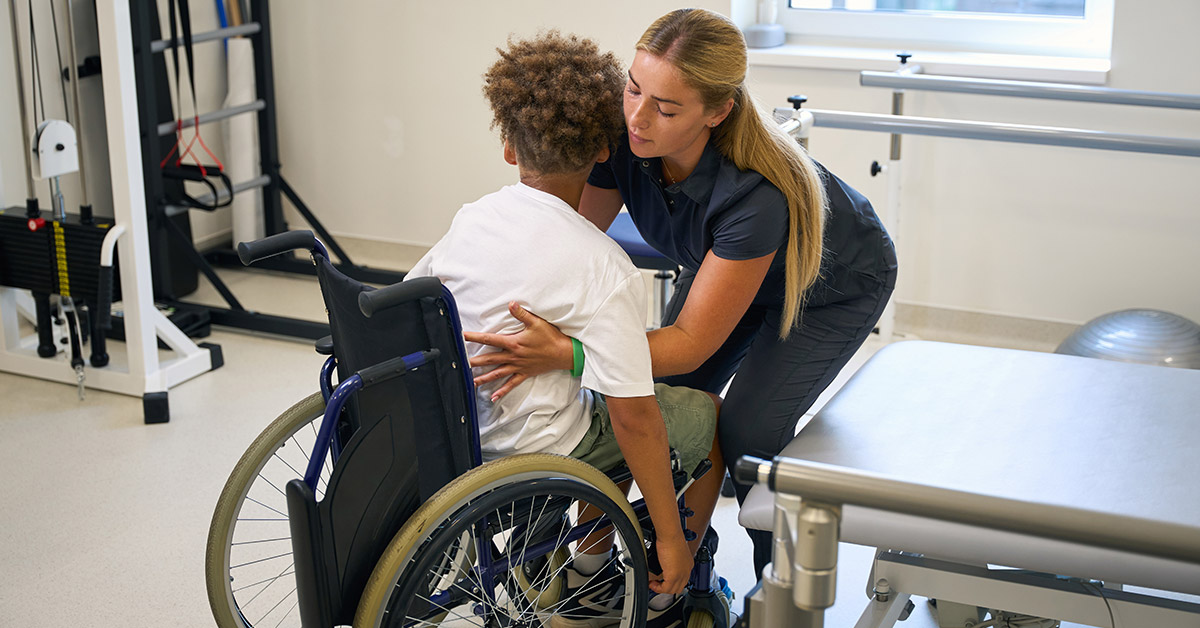
A child spinal cord injury may affect mobility, independence, and the need for medical care throughout adulthood.
The spinal cord carries signals between the brain and the rest of the body. When it is damaged, those signals may be disrupted, affecting movement, sensation, and bodily functions.
The severity of the injury depends on its location and the extent of the damage.
An injury higher in the spinal cord may affect the arms, legs, and other parts of the body. Damage lower in the spine may primarily affect the legs and lower body.
Some children experience weakness, numbness, or reduced mobility. Others develop paraplegia or tetraplegia, forms of paralysis that can create significant lifelong limitations.
Spinal cord injuries may also affect bladder and bowel control, breathing, muscle function, and the ability to perform daily activities independently.
According to the National Institute of Neurological Disorders and Stroke, spinal cord injuries can cause temporary or permanent changes in movement, sensation, strength, and other body functions.
For a growing child, the effects may extend beyond the initial medical emergency. Treatment plans may need to change as the child develops, and additional equipment or assistance may become necessary over time.
The long-term outlook varies. A diagnosis of spinal cord injury does not automatically mean a child will experience permanent paralysis, but severe injuries can create lasting disabilities that require extensive care.
What Types of Accidents Can Cause Permanent Spinal Cord Damage in Children?
A serious spinal cord injury can occur in many settings. However, the location of an accident does not establish that someone was negligent.
The important question is whether another party failed to exercise reasonable care and whether that failure caused the child’s injury.
Motor vehicle collisions are one potential cause. A child passenger may suffer a severe neck or spinal injury when another driver causes a high-impact crash. Collisions involving pedestrians or children riding bicycles can also produce devastating injuries.
Playground accidents may involve falls from elevated structures, unsafe equipment, or inadequate protective surfaces. Some accidents occur despite reasonable precautions, while others involve hazards that should have been corrected.
Children can also suffer serious injuries at daycare centers, schools, recreational facilities, or private properties.
An unsafe staircase, unsecured elevated area, damaged railing, or dangerous piece of equipment may create a risk of a severe fall.
In other cases, a defective product may contribute to the accident. A poorly designed or manufactured children’s product can create a dangerous condition when used as intended or in a reasonably foreseeable way.
Determining liability requires investigating the specific accident, not assuming that the person supervising the child or owning the property must be responsible.
Who Can Be Held Liable When a Child Suffers a Spinal Cord Injury in Massachusetts?
Determining liability for a child spinal cord injury requires examining how the accident occurred and whether another party failed to exercise reasonable care.
Liability depends on how the accident occurred and which parties had legal responsibilities relating to the child’s safety.
In a motor vehicle accident, a negligent driver may be responsible if unsafe driving caused the collision and resulting injury.
A property owner or operator may face liability when an unreasonably dangerous condition causes a serious accident and the applicable legal requirements are met.
A childcare provider may be responsible when inadequate supervision or failure to follow reasonable safety practices causes a preventable injury.
A manufacturer or seller may face a product liability claim when a defective product causes spinal cord damage.
Some accidents involve several potentially responsible parties.
For example, a child may be injured when playground equipment breaks during ordinary use. An investigation may examine whether the equipment contained a manufacturing defect, whether maintenance problems contributed to the failure, and whether the property operator knew or should have known about the hazard.
Each theory requires supporting evidence.
The fact that a child suffered a devastating injury does not automatically establish that the property owner, supervisor, or manufacturer is legally responsible.
Swartz & Swartz provides more information about the legal issues involved in child injury claims in Boston and Massachusetts.
When Can a Property Owner Be Responsible for a Child’s Spinal Injury?
Property owners and operators may have legal duties to maintain reasonably safe premises for lawful visitors.
When a child is seriously injured on another person’s property, an investigation may examine whether an unsafe condition existed, whether the responsible party knew or reasonably should have known about it, and whether reasonable precautions could have prevented the accident.
Consider a child who falls through a damaged railing at an apartment building.
If the railing had been deteriorating for months and the property owner failed to address a known hazard, the circumstances may support a negligence claim.
However, the analysis may differ if the condition was not reasonably discoverable or the accident occurred for reasons unrelated to the property’s maintenance.
The child’s age, the foreseeability of the danger, and the circumstances of the accident may also matter.
In cases involving schools, municipal playgrounds, or other government-owned facilities, additional legal rules may apply.
Massachusetts has specific procedures and limitations for claims involving public entities. Those requirements can differ from ordinary claims against private property owners.
Parents should seek legal guidance promptly when a serious injury occurs on public property because waiting may affect the ability to pursue a claim.
Can a School or Daycare Be Liable for a Child’s Permanent Spinal Cord Injury?
Schools and childcare providers have responsibilities relating to the safety of children under their supervision.
Those responsibilities depend on the setting, the child’s age, the activity involved, and applicable laws and regulations.
A daycare facility may need to provide age-appropriate supervision, maintain safe equipment, and respond to known hazards.
A school may have responsibilities involving playground safety, physical education activities, transportation, and other supervised events.
A serious accident may warrant investigation when a child was exposed to a preventable hazard or an activity was conducted without reasonable precautions.
For example, if a child falls from equipment that had been reported as unsafe but was left available for use, the maintenance history may become important evidence.
If an injury occurs during an organized activity, investigators may examine the instructions given, supervision provided, equipment used, and whether the activity was appropriate for the children involved.
Not every school or daycare accident results from negligence.
Children can suffer serious injuries even when reasonable precautions are taken.
A viable claim must connect a legally actionable failure to the child’s injury.
For additional guidance, read our article about whether you need a lawyer when your child is injured at school.
When a child is seriously injured on another person’s property, an investigation may examine whether an unsafe condition existed, whether the responsible party knew or reasonably should have known about it, and whether reasonable precautions could have prevented the accident.
What If a Defective Product Caused the Spinal Cord Injury?
A defective product may contribute to a catastrophic childhood injury when it breaks, collapses, tips over, or otherwise fails in a dangerous way.
Potential examples include recreational equipment, children’s furniture, playground components, or safety equipment.
A product liability investigation may examine whether the product had a defective design, a manufacturing defect, or inadequate warnings or instructions.
The applicable legal theories may include negligence and breach of warranty under Massachusetts law.
A claim may involve the manufacturer, distributor, or seller, depending on the product and circumstances.
It is important to preserve the product whenever possible.
A broken component, damaged fastener, or failed safety mechanism may contain evidence that helps engineers determine why the accident occurred.
Repairing, discarding, or altering the product before it can be examined may make the investigation more difficult.
Product liability cases involving serious spinal cord injuries often require engineering experts to evaluate the alleged defect and medical experts to establish the relationship between the product failure and the injury.
How to Prove Negligence in a Child Spinal Cord Injury Case
A serious diagnosis is evidence of harm, but it does not prove negligence.
A personal injury claim generally requires proof that the defendant owed an applicable duty of care, failed to meet that duty, and caused compensable injury.
The evidence needed depends on the accident.
In a vehicle collision, relevant materials may include crash reports, witness statements, photographs, video recordings, and vehicle data.
For a playground or property accident, investigators may examine inspection records, maintenance reports, previous complaints, photographs, and the condition of the equipment.
A daycare or school case may involve incident reports, supervision records, staff statements, and applicable safety policies.
When a defective product is involved, expert examination of the product may be essential.
Medical evidence is equally important.
Physicians may need to explain the nature of the spinal cord damage, how it occurred, and whether the accident caused the child’s lasting limitations.
In some cases, defendants dispute whether the accident caused the entire injury or whether another condition contributed to the outcome.
A strong case addresses those questions with medical records, expert analysis, and reliable evidence.
Why Permanent Spinal Cord Injuries Can Require Lifelong Care
The long-term cost of a child spinal cord injury may include rehabilitation, mobility equipment, and assistance with daily activities.
The financial consequences of a severe spinal cord injury may extend throughout a child’s lifetime.
Immediate medical expenses can include emergency transportation, hospitalization, surgery, imaging, intensive care, and rehabilitation.
But the largest expenses may arise years after the accident.
A child with permanent mobility limitations may require ongoing physical therapy, occupational therapy, specialist appointments, assistive technology, and medical equipment.
Wheelchairs and other mobility devices may need to be replaced or adjusted as the child grows.
Some families need accessible transportation, modifications to bathrooms and bedrooms, ramps, or other changes to their homes.
Depending on the severity of the injury, a child may require personal care assistance or support with daily activities.
Educational accommodations may also be necessary.
As the child reaches adulthood, additional questions arise about employment, independent living, transportation, and continued medical care.
These costs cannot be evaluated solely by looking at the hospital bills from the first few months after the accident.
Attorneys handling catastrophic childhood injuries may work with physicians, rehabilitation specialists, life-care planners, and financial experts to estimate future needs.
Our catastrophic injury attorneys understand why evaluating long-term disability and future expenses is essential in serious injury cases.
What Compensation Is Available for a Child Spinal Cord Injury?
Compensation in a child spinal cord injury case may include future medical expenses, lost earning capacity, and other legally recoverable damages.
When another party’s negligence causes permanent spinal cord damage, the child may have a claim for legally recoverable losses.
Depending on the circumstances, compensation may address past and future medical expenses, rehabilitation, assistive equipment, personal care, and other costs related to the injury.
A claim may also include pain and suffering, physical limitations, emotional distress, and loss of enjoyment of life.
Permanent disability may affect the child’s future ability to earn income. Evaluating that loss can be difficult because the child may not yet have an employment history.
Economic and vocational experts may assess potential earning capacity based on the available evidence.
Certain losses incurred by parents may also raise separate legal questions, including who is entitled to recover particular expenses and whether an independent claim is available.
These issues require careful analysis under Massachusetts law.
The amount of compensation depends on the severity of the injury, the evidence of liability and causation, the child’s long-term prognosis, and applicable legal limitations.
A permanent injury does not guarantee a particular settlement or verdict.
The purpose of a thorough damages evaluation is to account for the child’s documented needs, including those that may arise decades after the accident.
Why Families Should Be Careful About Early Settlement Offers
After a serious accident, an insurance company may begin investigating the claim while the child is still receiving medical treatment.
In some cases, the insurer may offer a settlement before doctors can fully assess the child’s long-term prognosis.
That creates a significant concern when the injury involves the spinal cord.
A child may need additional rehabilitation, surgeries, mobility equipment, or assistance as they grow.
The long-term consequences may not be clear during the first weeks or months after the accident.
Accepting a final settlement without understanding those needs may leave the family with inadequate resources for future care.
The terms of a release may also prevent the injured child from pursuing additional compensation for the same claim later.
Parents should understand what the settlement covers, whether future medical needs have been evaluated, and what court approval may be required before resolving a minor’s claim.
A careful legal review can help protect the child’s long-term interests.
How Long Do Parents Have to File a Child Injury Lawsuit in Massachusetts?
Massachusetts generally provides a three-year limitations period for many personal injury claims.
However, special rules may apply when the injured person is a minor.
Under Massachusetts General Laws Chapter 260, Section 7, the limitations period for certain claims may be tolled during minority.
That does not mean parents should assume every childhood injury claim can wait until the child becomes an adult.
Claims involving government entities, medical malpractice, construction-related statutes of repose, and other special circumstances may be subject to different rules, deadlines, or procedural requirements.
Some claims against public entities require formal presentment before a lawsuit can proceed.
The appropriate deadline depends on the type of claim, the responsible party, and the applicable statute.
Parents should consult an attorney promptly rather than rely on a general limitations period.
Evidence may disappear long before a filing deadline expires.
Surveillance footage may be overwritten, equipment may be repaired, witnesses may become difficult to locate, and records may be lost.
Early investigation can be particularly important when a child’s injury may lead to permanent disability.
What Should Parents Do After a Child Suffers a Serious Spinal Injury?
The child’s medical care must come first.
If a spinal injury is suspected immediately after an accident, emergency medical assistance is essential. Unnecessary movement can worsen certain spinal injuries, so follow emergency responders’ instructions.
Once the child is receiving appropriate treatment, parents can begin preserving information about the accident.
Photographs of the location, equipment, vehicles, or dangerous conditions may help establish what happened.
Witness names and contact information may also be important.
Parents should keep medical records, discharge instructions, rehabilitation plans, and receipts for expenses related to the injury.
If a school, daycare, or recreational facility was involved, request information about the incident and preserve any written communications.
If defective equipment may have caused the injury, avoid discarding or altering it.
Parents should also be cautious about signing broad releases or accepting final settlements before the child’s long-term medical needs are understood.
An attorney can help determine which evidence should be preserved and whether expert investigation is appropriate.
Frequently Asked Questions About Child Spinal Cord Injuries in Massachusetts
Can parents sue if their child is permanently paralyzed in an accident?
Potentially. A claim may be available when another party’s negligence or a legally actionable product defect caused the child’s injury. Permanent paralysis alone does not establish liability.
Who is responsible if a child suffers a spinal injury at a playground?
Responsibility depends on the cause of the accident. A property owner, equipment manufacturer, maintenance contractor, or another party may be liable if the evidence establishes a relevant legal duty or product defect and causation.
Can a school be sued for a child’s spinal cord injury?
In some circumstances, yes. The analysis depends on the alleged negligence, the type of school, and applicable Massachusetts law. Public school claims may involve special procedural requirements and limits.
How much compensation can a child receive for permanent spinal cord damage?
There is no fixed amount. Compensation depends on liability, medical evidence, the child’s long-term prognosis, future care needs, and legally recoverable damages.
Can a spinal cord injury affect a child’s future earning capacity?
Yes. Severe injuries may limit the type or amount of work a child can perform as an adult. Economic and vocational experts may help evaluate that potential loss.
Should parents accept an insurance settlement before rehabilitation is complete?
Parents should be cautious. The child’s long-term medical needs may not yet be known, and a final settlement may release future claims. Legal advice can help determine whether the proposed settlement adequately addresses the child’s interests.
Protecting a Child’s Future After a Catastrophic Spinal Cord Injury
When a child suffers permanent spinal cord damage, the consequences can affect every stage of life.
Medical treatment, rehabilitation, mobility limitations, educational needs, and the possibility of lifelong assistance can place enormous demands on the child and family.
If the accident resulted from negligence or a defective product, the law may provide a way to pursue compensation for those losses.
But a successful claim requires careful investigation.
The evidence must establish who was legally responsible, how the accident occurred, and how the resulting injury will affect the child’s future.
At Swartz & Swartz, P.C., our attorneys represent children and families pursuing serious personal injury and product liability claims in Boston, Massachusetts, and the surrounding New England states.
We understand the importance of evaluating not only immediate medical expenses but also the care, equipment, and support a child may need for decades.
If your child suffered a serious spinal cord injury because of another party’s negligence, our firm can review the circumstances and discuss whether a legal claim may be available.
Call Swartz & Swartz, P.C. at (617) 742-1900 or contact our Boston office to request a consultation.
When a child’s future has been permanently changed, a careful investigation can help families understand their rights and pursue accountability.
Need Help?
If you or someone you know, needs help from a lawyer, contact the law offices of Swartz & Swartz, use our live chat, or send us a message using the form below and we’ll get in touch to assess your case and how we can help.
About the Author: James Swartz

Keep Reading
Want more? Here are some other blog posts you might be interested in.

A child spinal cord injury can change a family's life in seconds. A serious fall from unsafe playground equipment, a

A patient arrives at an emergency department with a high fever, rapid heartbeat, weakness, and worsening confusion. The symptoms may

A child's toy should never become the reason a family faces a lifetime of medical treatment, disability, and uncertainty. Yet