


A toy marked “3+” can look like a simple promise: this product is safe once a child reaches a third birthday. The real picture is more complex. Age labels can reflect choking rules, developmental guidance, the way a product is designed to be used, or a mix of all three. A child can still face harm from a part that breaks loose, a magnet that escapes its housing, a small ball, a damaged battery compartment, a sharp edge, or a toy that does not perform as the maker expected. Families in Boston, Massachusetts, and the surrounding New England states should understand both the medical reality of toy injuries and the legal options that may exist when a child is harmed.
This article explains why age labels matter, what federal toy rules require, how injuries can happen in careful homes, which warning signs need prompt care, and what parents can do to lower risk.


A car accident happens in seconds, but the physical effects do not always appear immediately. You may walk away from a
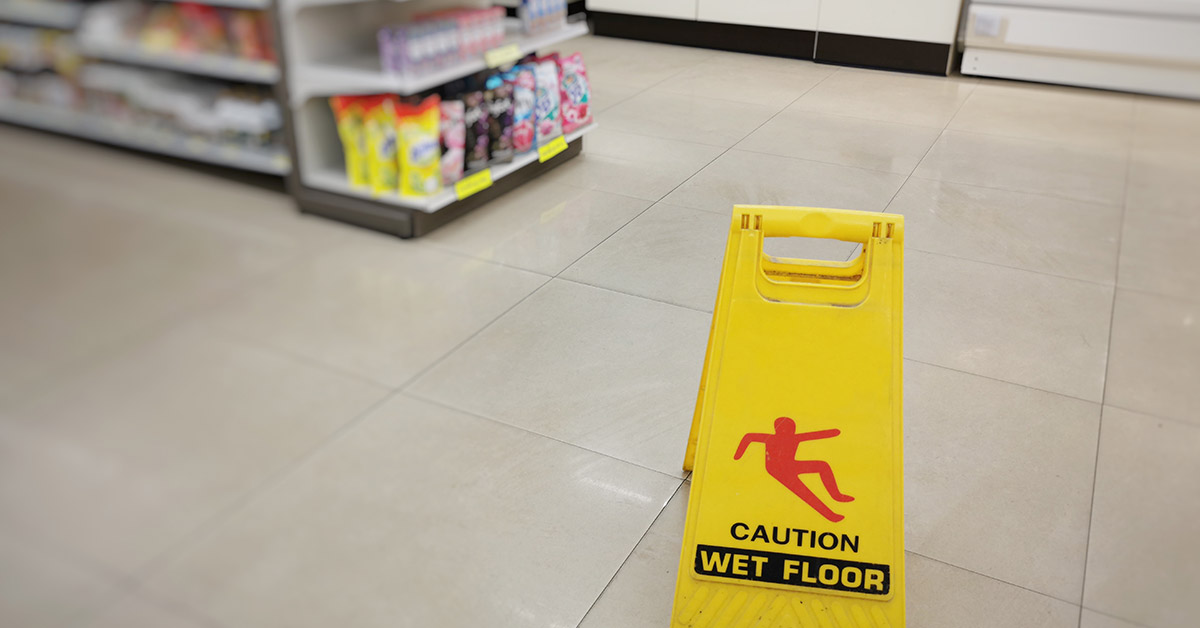
You walk into a grocery store, pharmacy, department store, restaurant, or other business expecting to shop, not leave in an
A car accident happens in seconds, but the physical effects do not always appear immediately. You may walk away from a
You walk into a grocery store, pharmacy, department store, restaurant, or other business expecting to shop, not leave in an

You complain to HR because something at work feels wrong. Maybe a supervisor is making discriminatory comments. Maybe a coworker is

After a serious injury, some losses are easy to put on paper. A hospital bill has a number. A paycheck you missed

You enter an intersection with a green light. Another vehicle comes from the side and does not stop. Within seconds, a normal

Parents shopping for a new crib or bassinet often assume that anything on the shelf at a major retailer must

A serious injury can affect much more than your health. If you cannot return to work, even a few weeks without

You go to the doctor because something does not feel right. Maybe you have persistent pain, unusual fatigue, shortness of breath,

A loose stair. An icy walkway. A broken handrail. Poor lighting in a hallway. Water leaking onto the floor. When a